project
DUCTUS
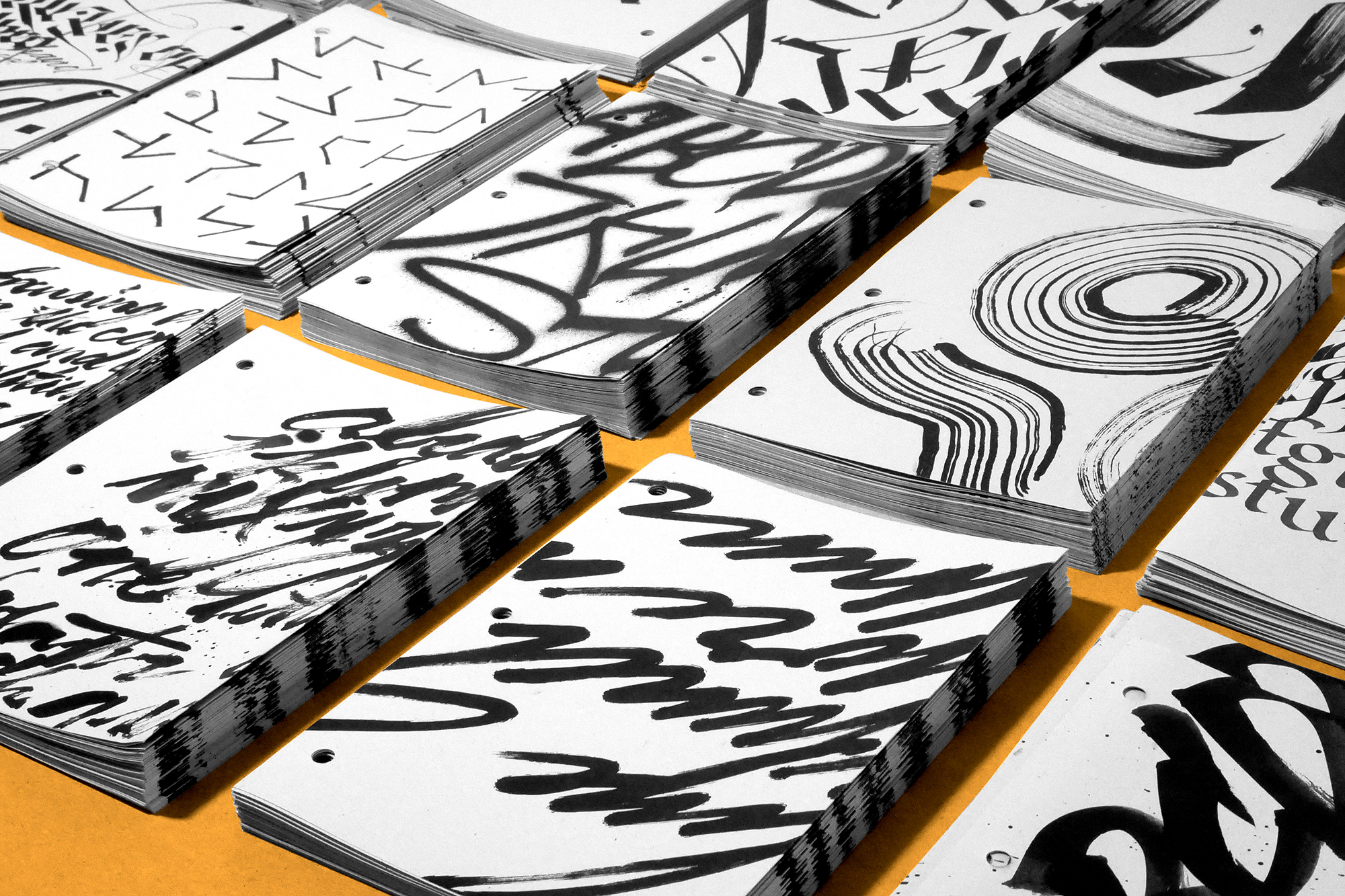
I began with the first step, which was, obviously, the line — drawing pages and pages of straight parallel lines, slowly starting to give them angles with increasing complexity. Before long, they began resembling letters, and I organically moved towards full scripts. From there, I continued on this expedition, roaming through the history of handwriting models, from Gothics to Romans to Copperplates.

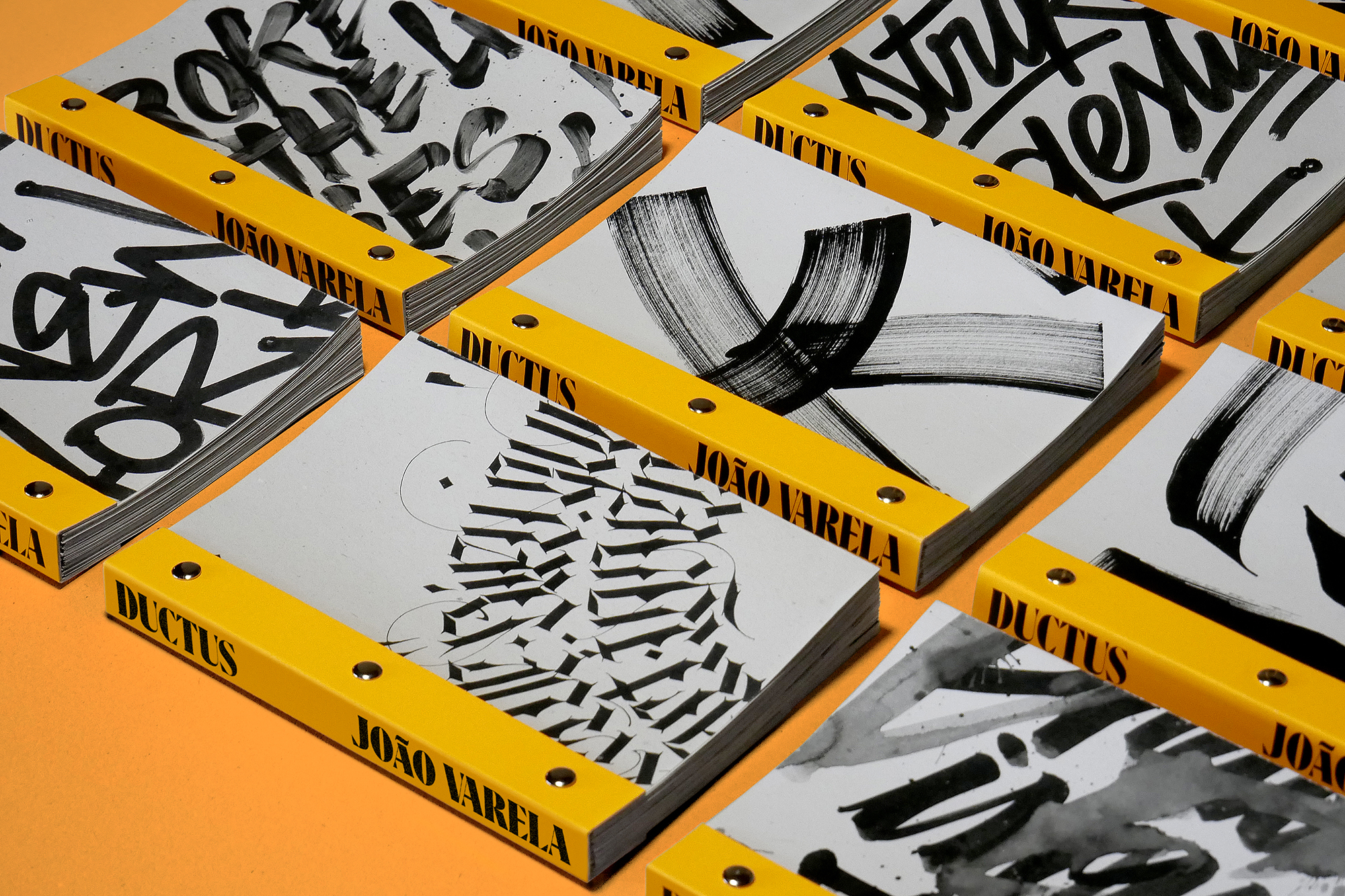
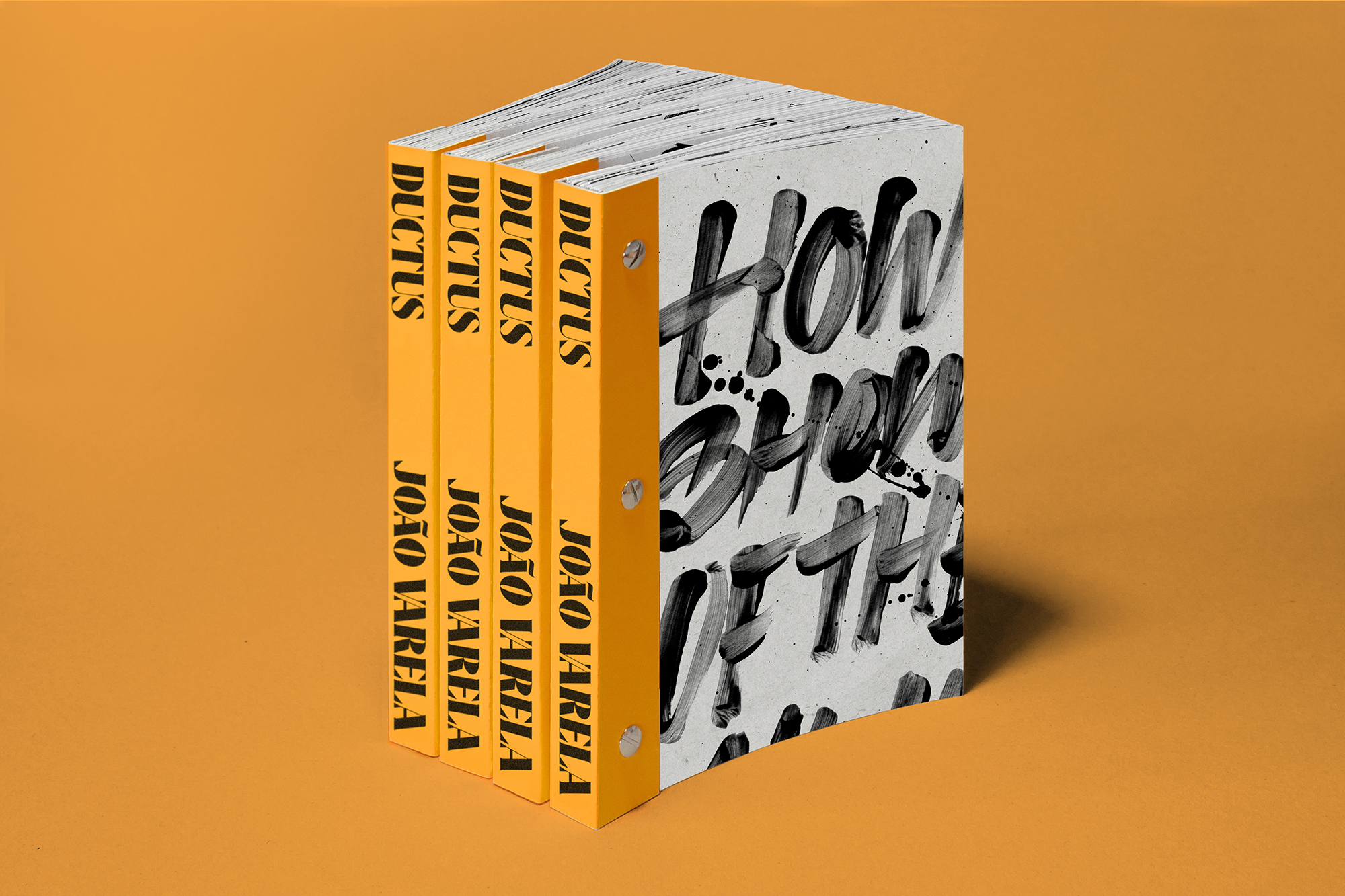
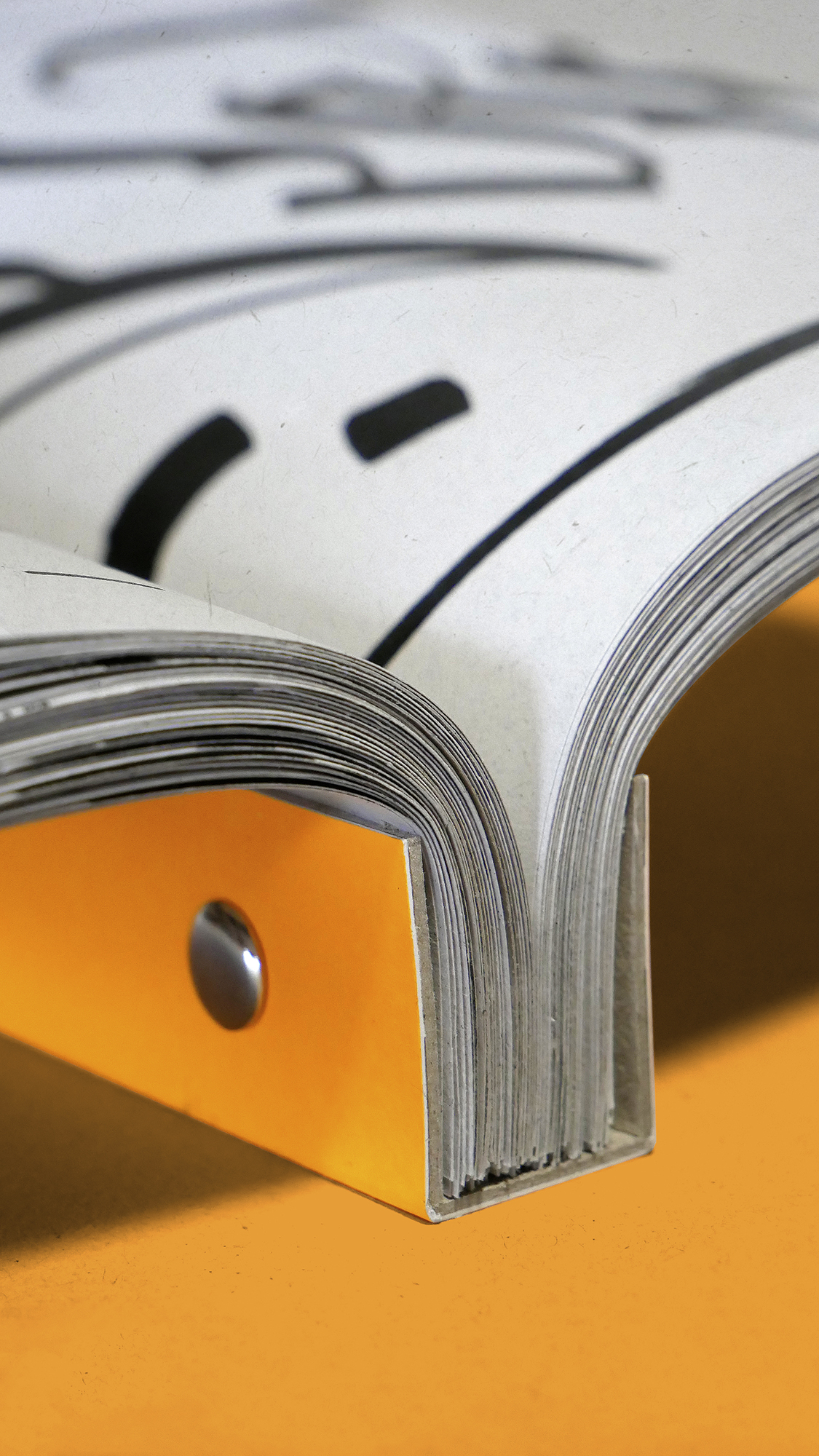
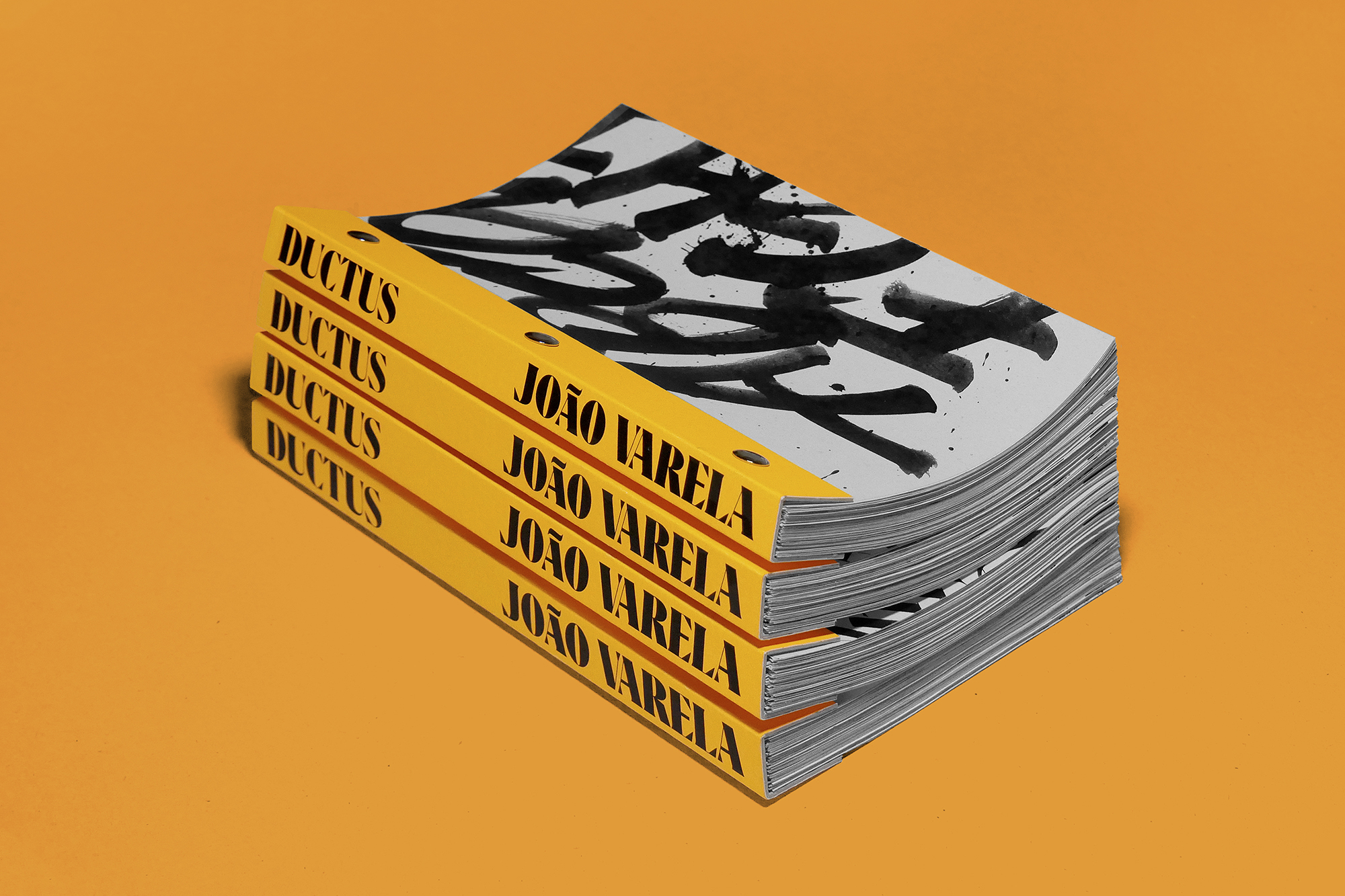
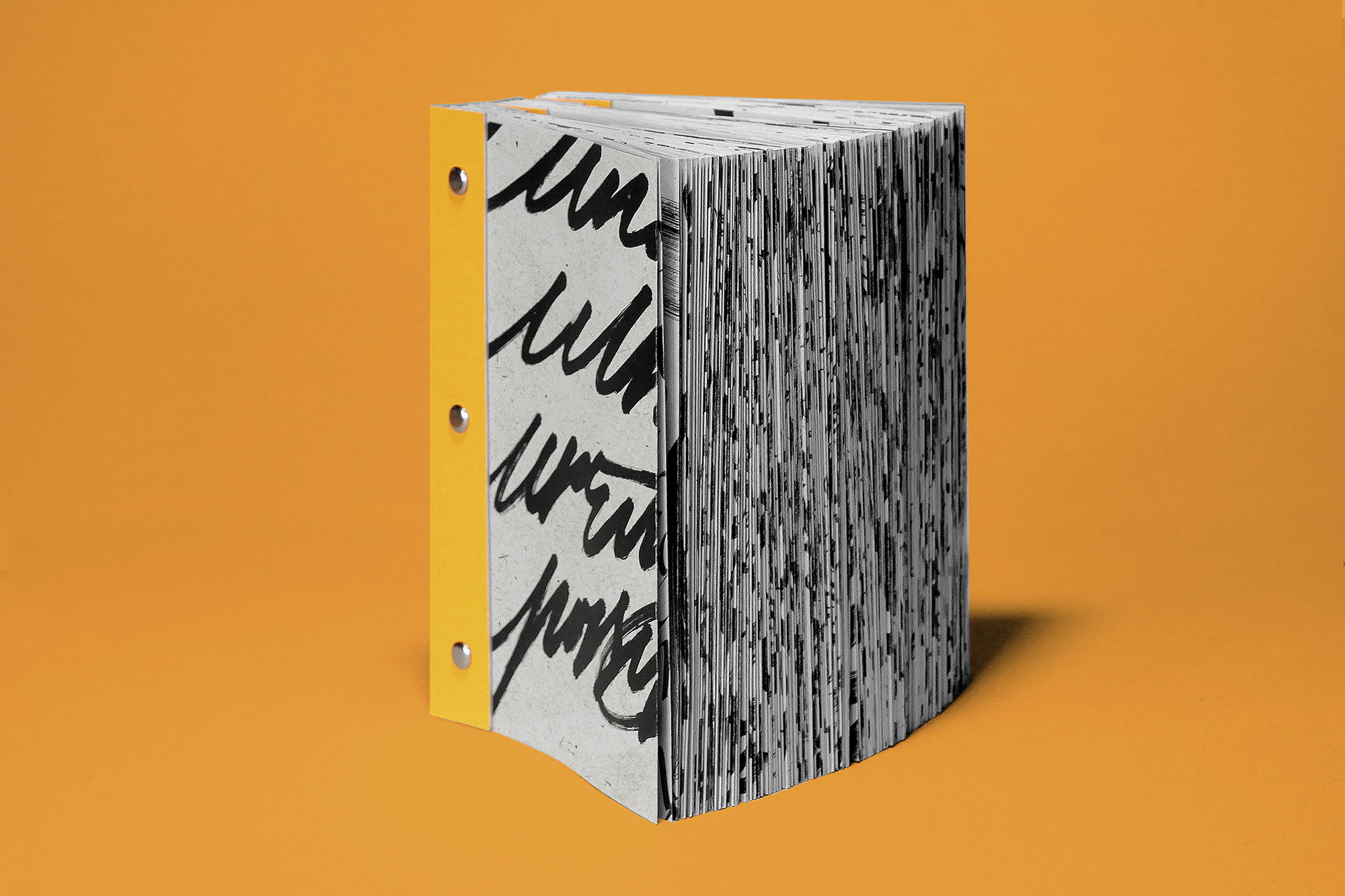
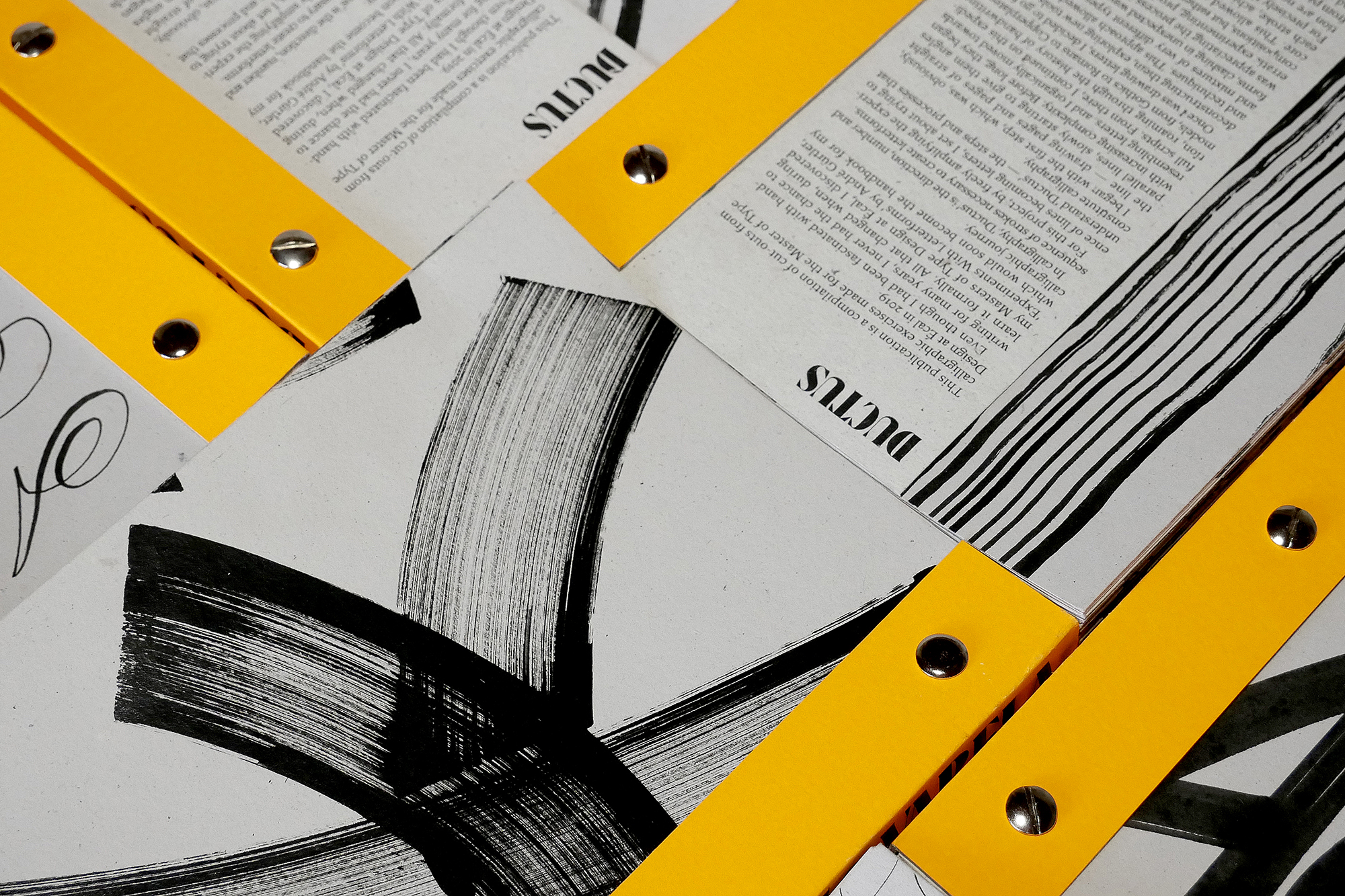
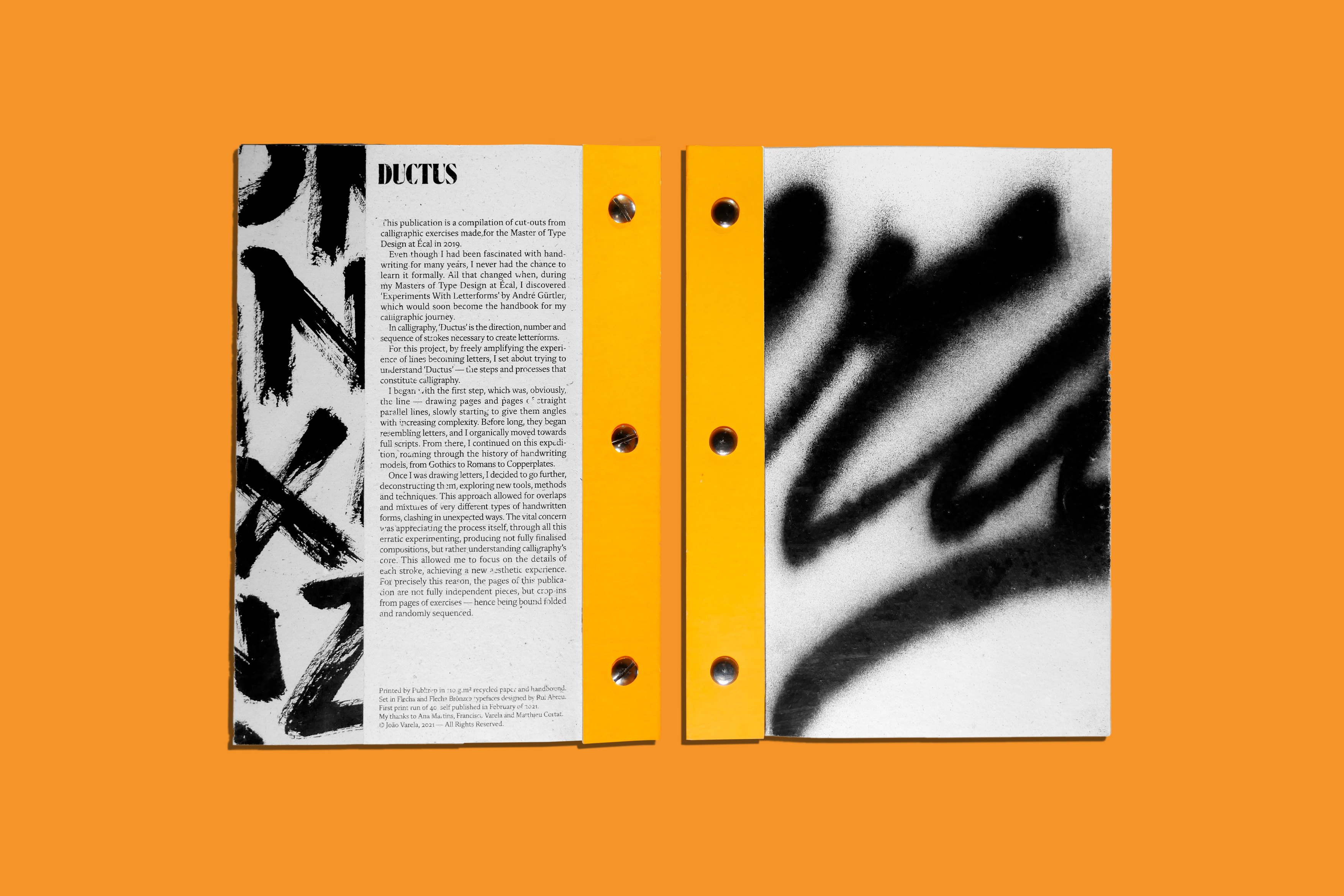
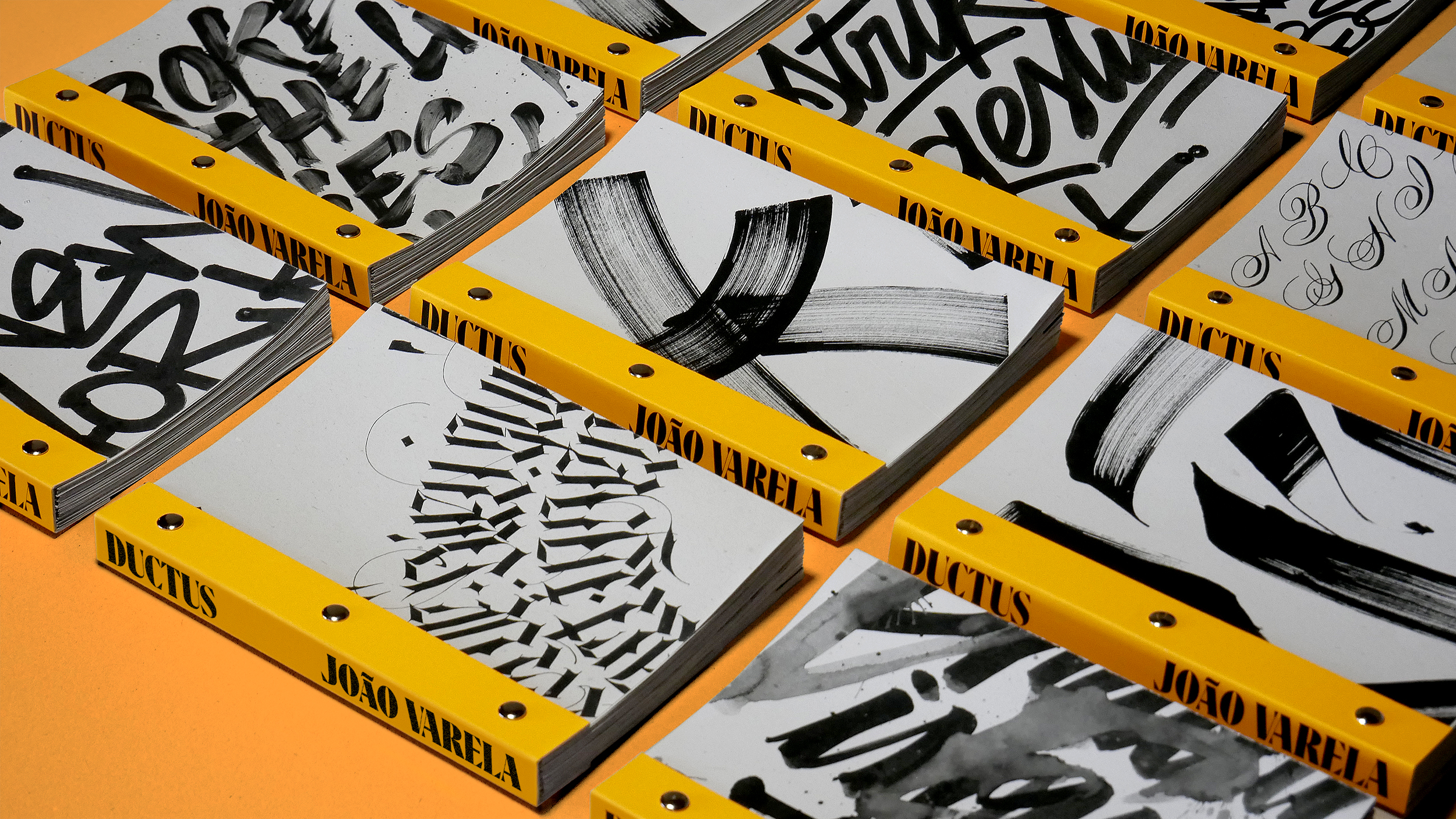
Size: A5 • Pages: 100 • Print run of 40 • Laser Printed • Hand bound with screws • Recycled Paper 110gm • Publishing Date: February 21
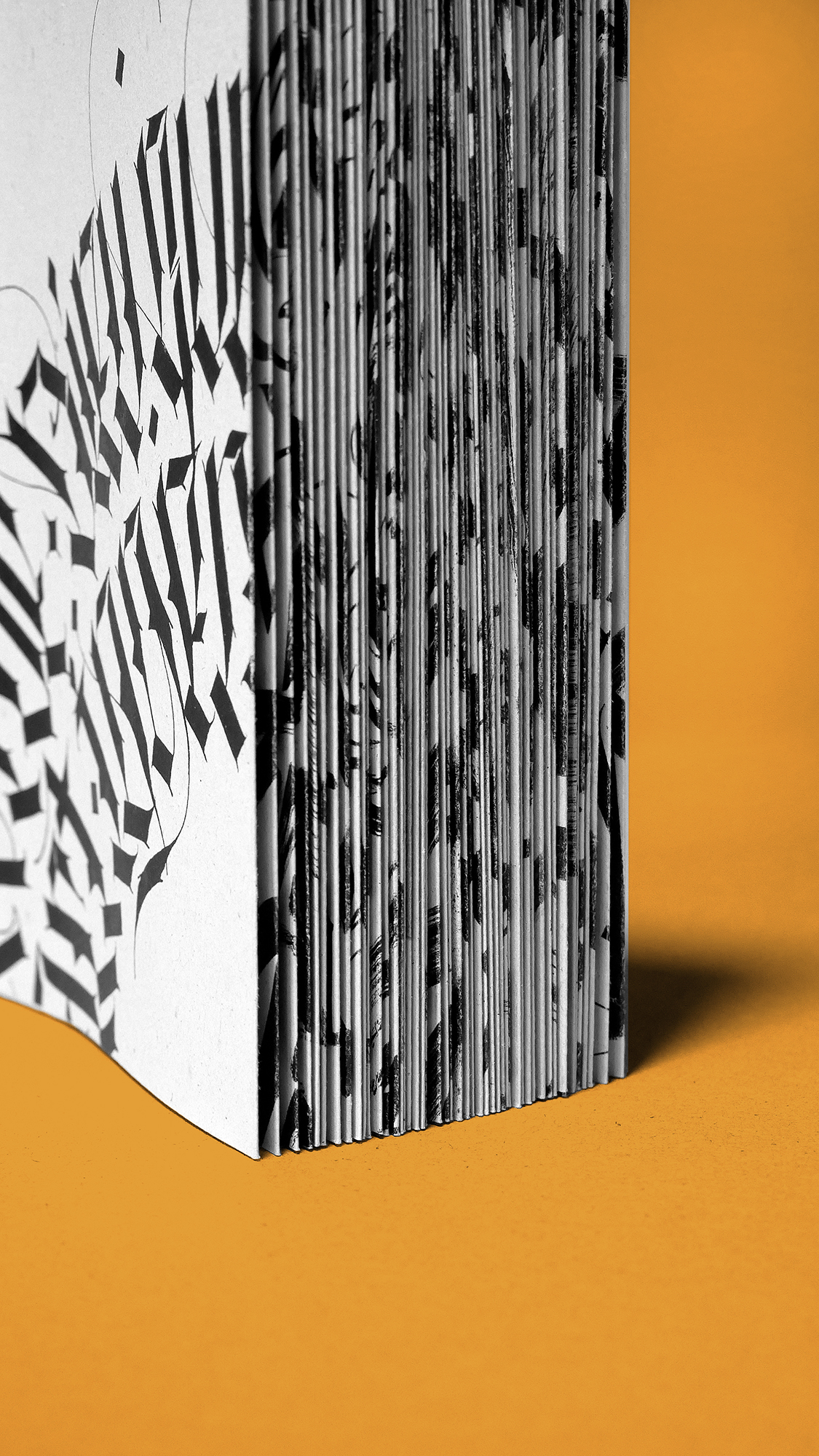
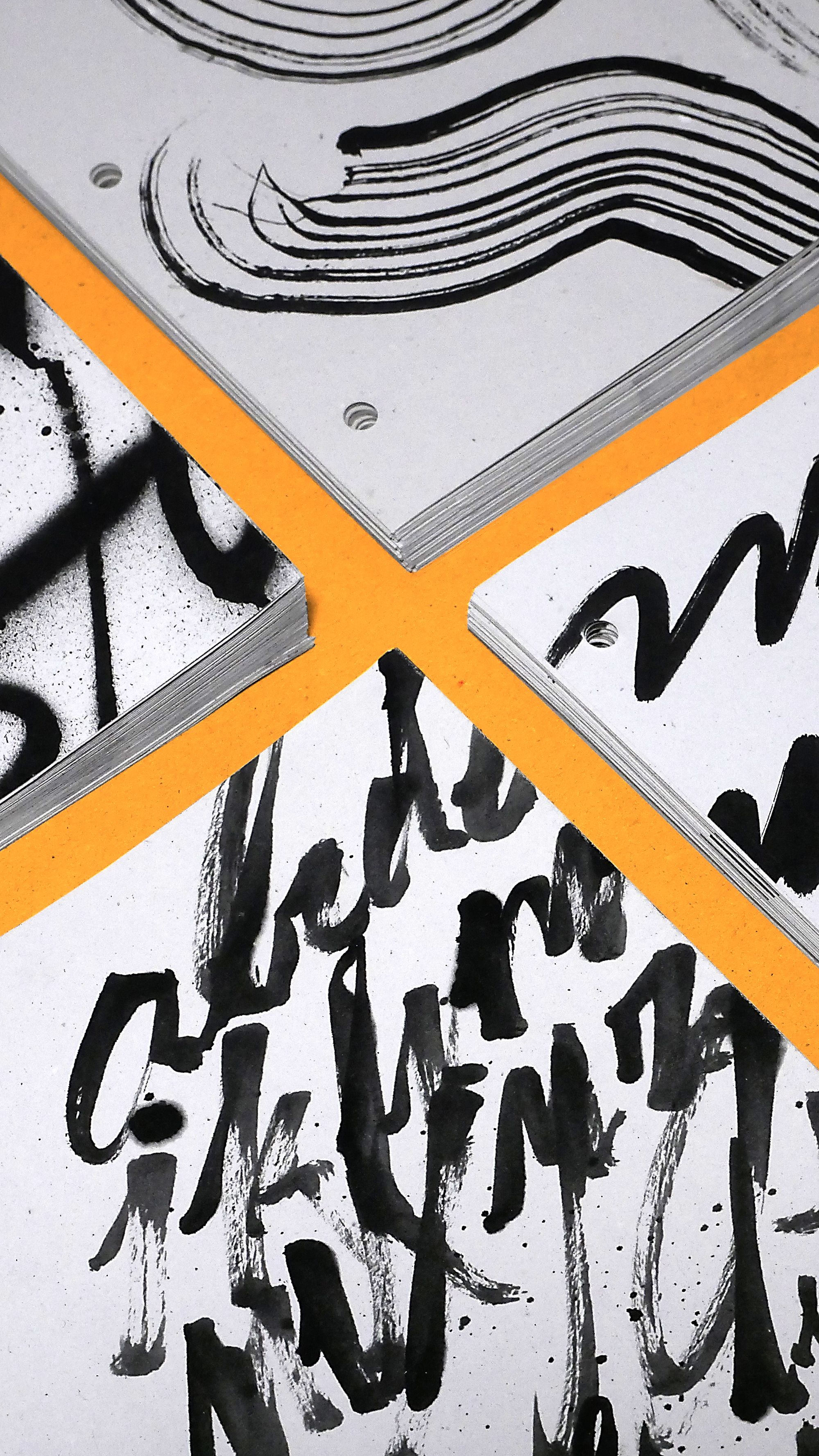
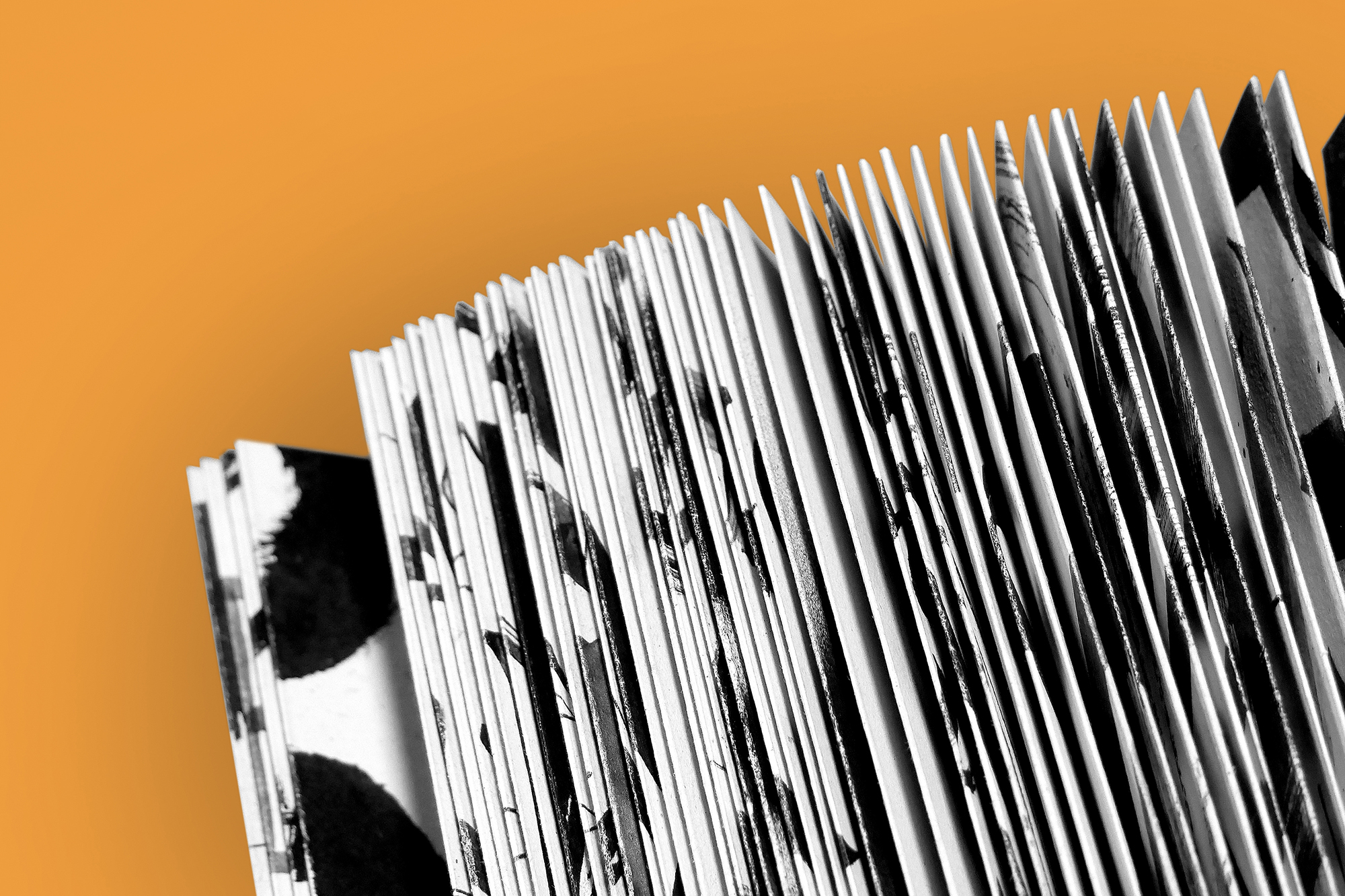
Once I was drawing letters, I decided to go further, deconstructing them, exploring new tools, methods and techniques. This approach allowed for overlaps and mixtures of very different types of handwritten forms, clashing in unexpected ways. The vital concern was appreciating the process itself, through all this erratic experimenting, producing not fully finalised compositions, but rather understanding calligraphy’s core. This allowed me to focus on the details of each stroke, achieving a new aesthetic experience. For precisely this reason, the pages of this publication are not fully independent pieces, but crop-ins from pages of exercises — hence being bound folded and randomly sequenced.


project
DUCTUS

Once I was drawing letters, I decided to go further, deconstructing them, exploring new tools, methods and techniques. This approach allowed for overlaps and mixtures of very different types of handwritten forms, clashing in unexpected ways. The vital concern was appreciating the process itself, through all this erratic experimenting, producing not fully finalised compositions, but rather understanding calligraphy’s core. This allowed me to focus on the details of each stroke, achieving a new aesthetic experience. For precisely this reason, the pages of this publication are not fully independent pieces, but crop-ins from pages of exercises — hence being bound folded and randomly sequenced.